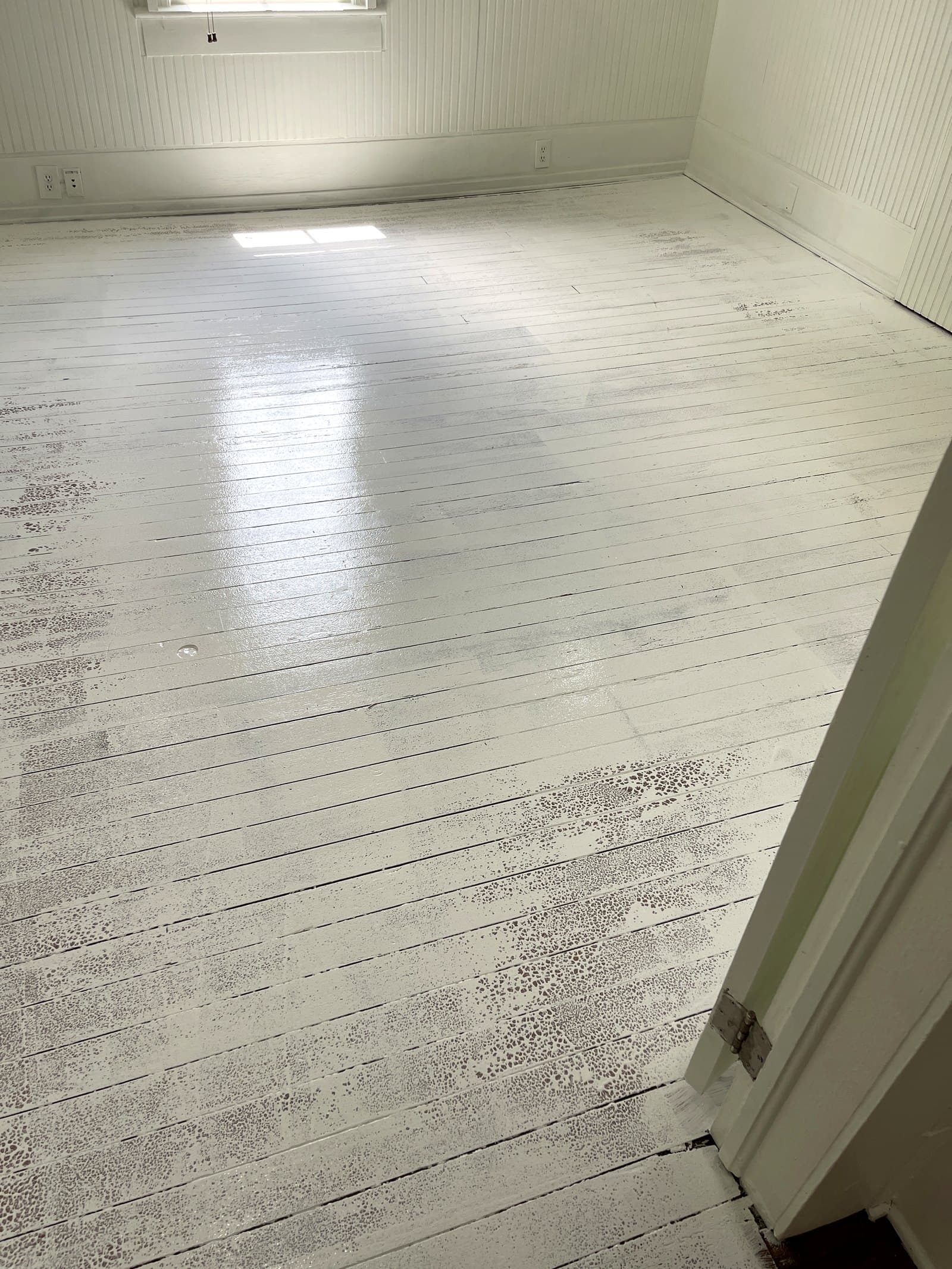
The fans run for four days, somebody hands you a certificate saying the structure is dry, and then nothing happens for six weeks. That gap is the most common way a water claim turns into a nightmare, and almost nobody warns you about it up front.
The short version
- Mitigation dries your house. Reconstruction rebuilds it. In most of Georgia those are two different companies.
- The stall happens in the handoff between them, not during the emergency.
- Mold can start in 24 to 48 hours. Your policy sets the filing deadline - check it. Move fast on the water, slow on the paperwork.
- Ask on day one: who writes the supplemental if the estimate comes in short?
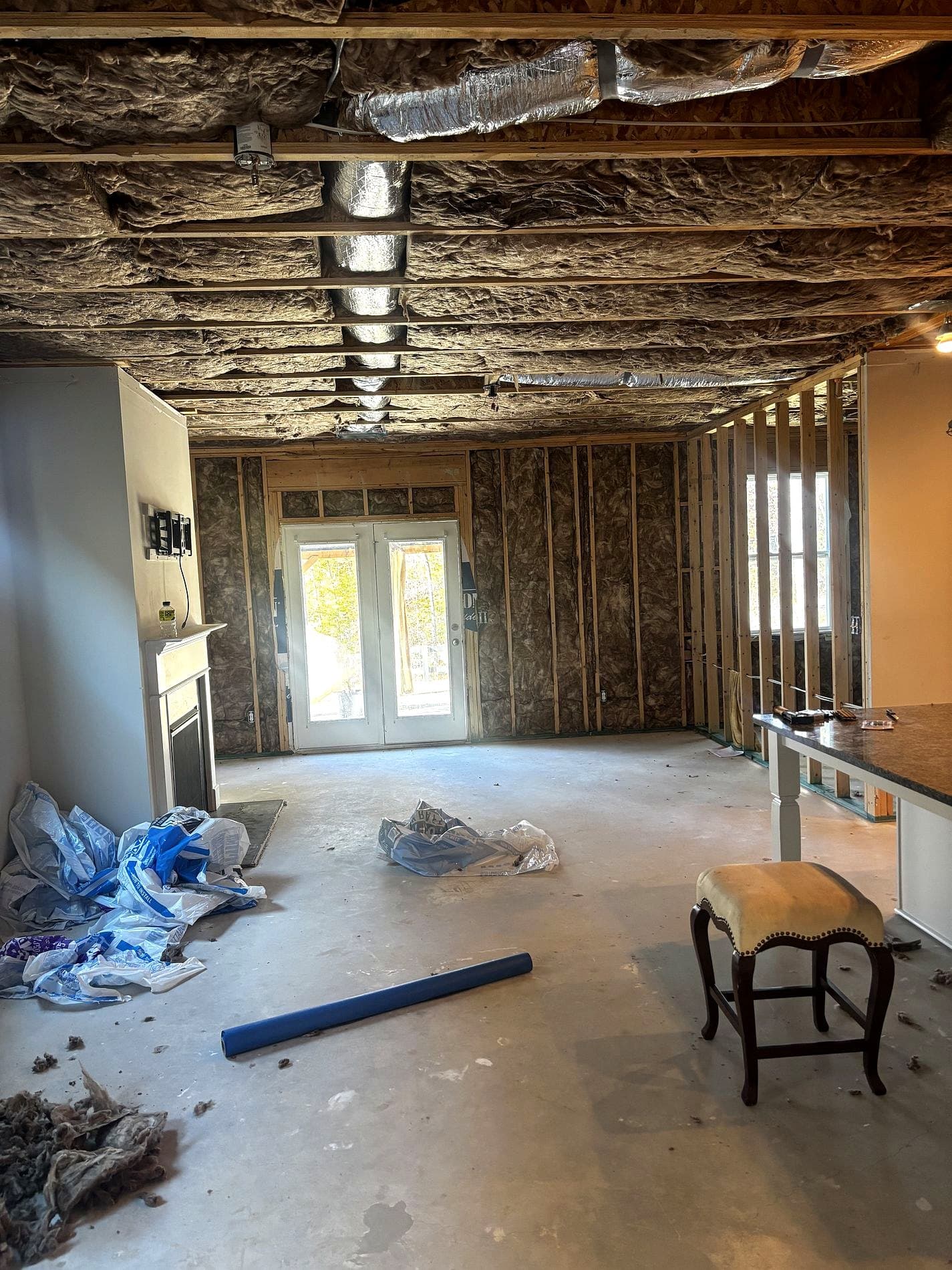
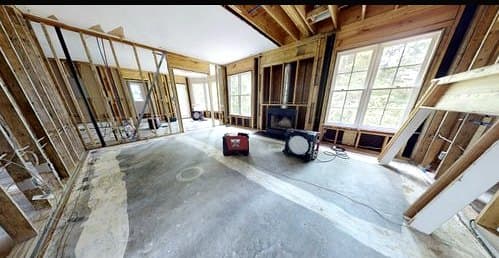
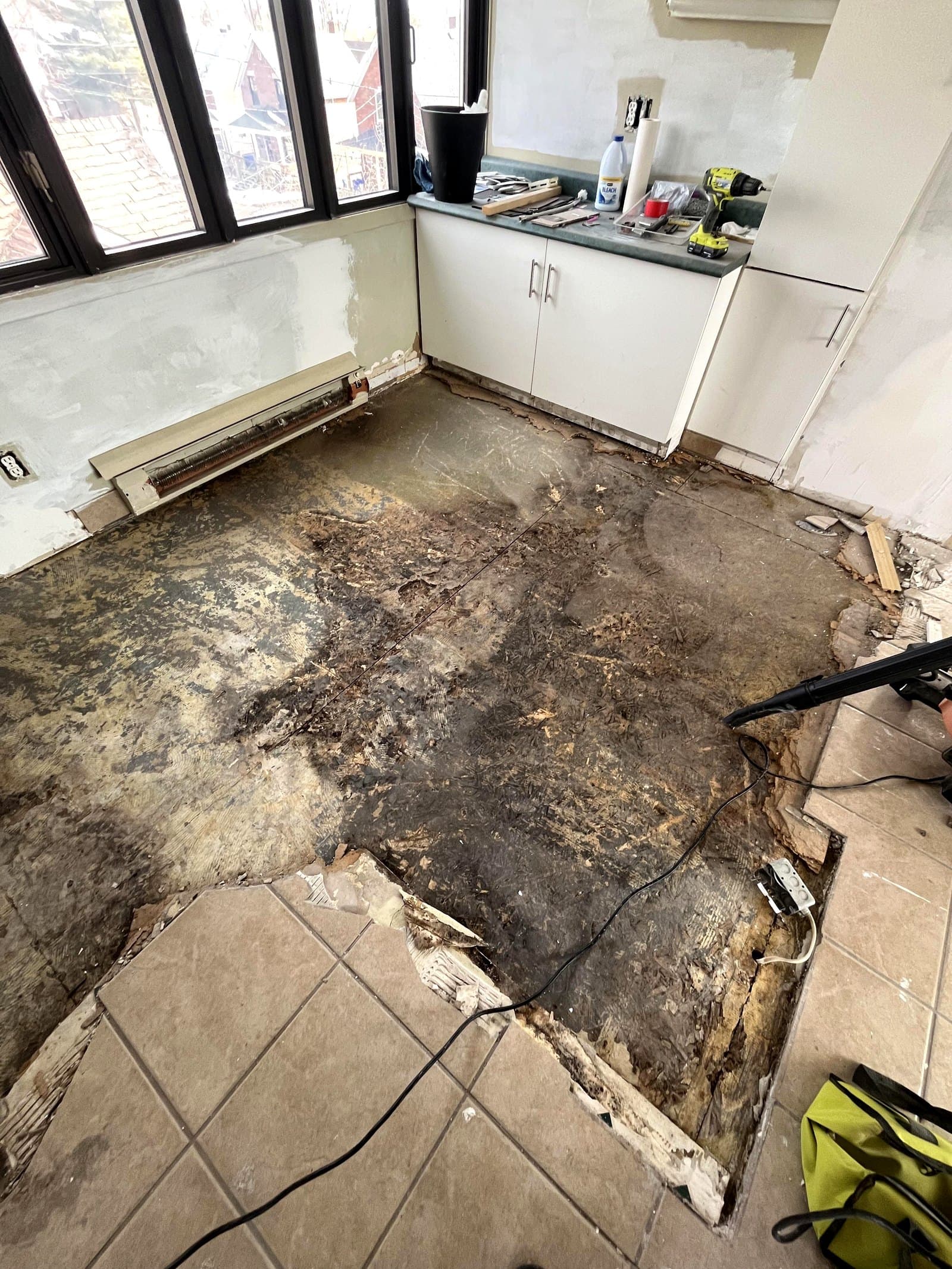
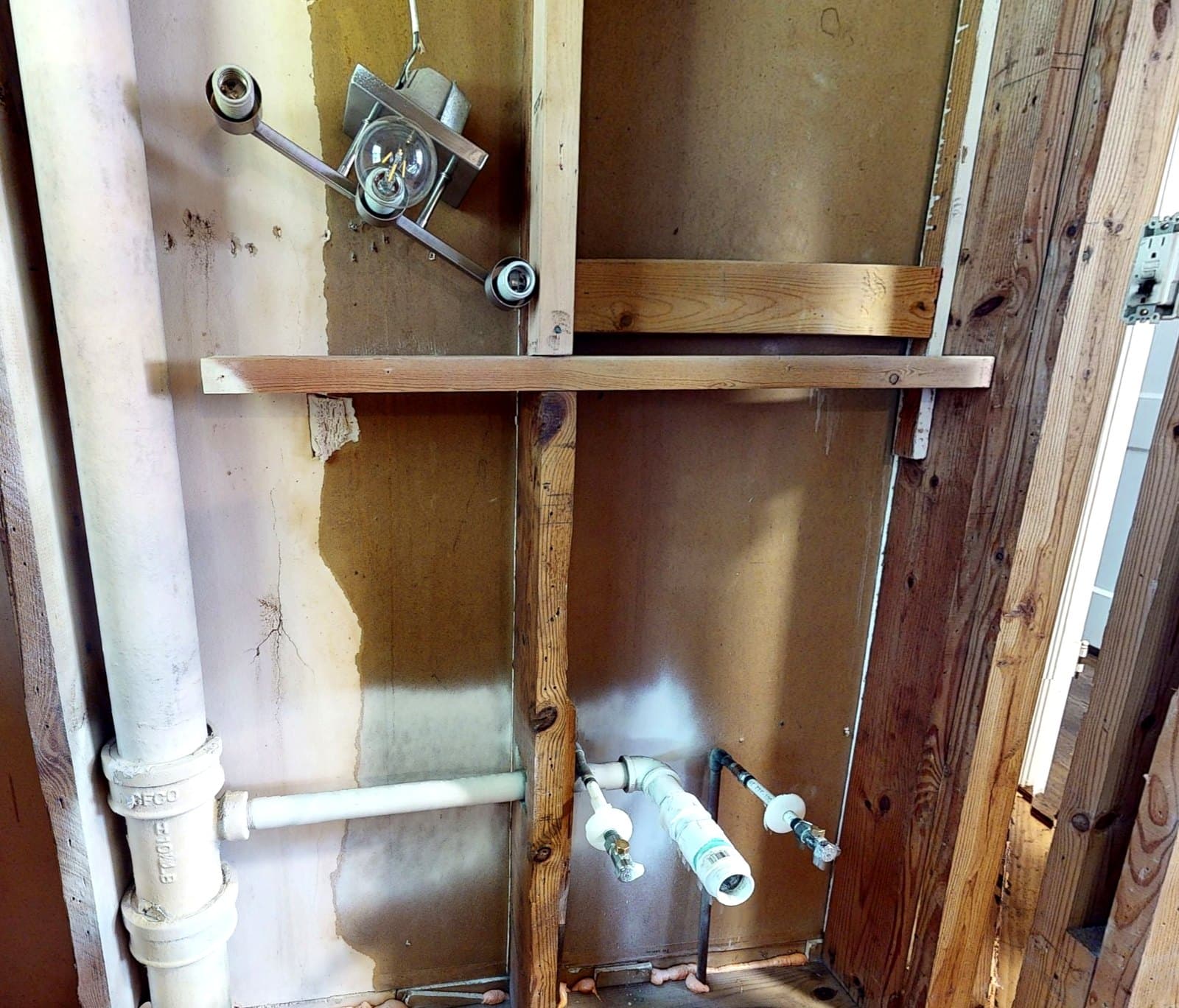
The fans come on within hours. Six of them, sometimes more, plus a dehumidifier that runs day and night. Somebody cuts the drywall two feet up the wall, pulls the baseboards, and hauls out what is left of the carpet.
Four days later they load the equipment back on the truck and hand you a certificate saying the structure is dry.
And then, for a lot of families, nothing happens for six weeks.
This is the part of water damage nobody explains up front. It is the single most common way a claim turns into a nightmare. Not the water. The gap after the water.
Drying a house and rebuilding a house are two different jobs
Mitigation is the emergency phase. Stop the water, remove what is saturated, dry the structure, prevent mold. It is fast, it is technical, and it happens in days.
Reconstruction is putting your house back. Drywall, texture, paint, trim, flooring, cabinets, tile, the vanity, the closet shelf your kid's height marks were on.
In most of Georgia these are done by two different companies. Sometimes three, once the roof is involved. Each one shows up, does their piece, and leaves. Nobody owns the whole thing.
That is the gap. And you are standing in it, in a house with no baseboards, trying to get three contractors and an adjuster to agree on something.
The tell
If the company that dried your house says you will want to find a contractor for the rebuild, you have just been handed the hardest part of the project. That is the moment to ask who is coordinating it. If the answer is nobody, the answer is you.
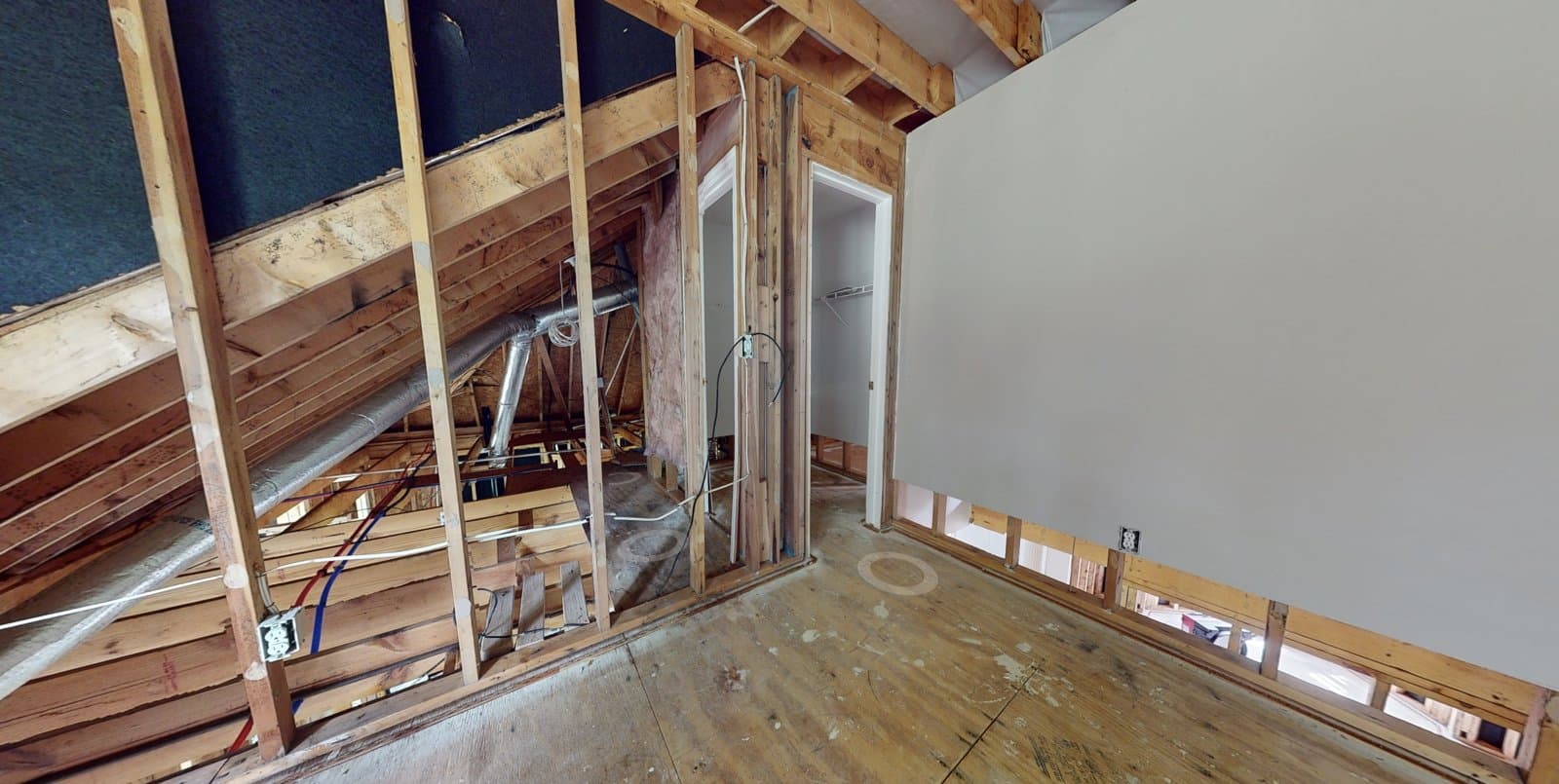
When the water came through the roof, it is actually three jobs
A roof leak is the version where the gap gets widest, because now there is a third trade in the mix.
- 1
Stop the water at the source
Get a tarp on it if water is actively coming in, then repair or replace the roof itself.
- 2
Dry the structure
Air movers and dehumidifiers, with moisture readings in the framing and subfloor until the material hits dry standard.
- 3
Rebuild the rooms below
Insulation, drywall, ceiling texture, paint, floors, trim, and whatever was in the room.
Three trades, three schedules, three invoices, and usually three different companies who have never worked together. Every handoff between them is a place your project can sit for a week.
We do all three. That is not a slogan, it is the specific reason we do it. When one team owns the roof, the drying and the rebuild, there is no handoff to fall through and there is one person to call when you want to know what is happening.
Bailey handled a large-scale roof replacement and interior renovation after a water leak, including coordinating with insurance carriers.
That is a real customer describing this exact problem in a Google review. The coordination is the product.
What actually gets wet, in order
Water goes down and sideways, and it takes its time. When a roof leak reaches your living space, this is the order it works through.
- Roof decking, the OSB or plywood under the shingles. Wet decking eventually delaminates and has to be replaced, which is why a leak left alone gets expensive.
- Framing and trusses. These usually survive if things dry fast, which is exactly why speed matters.
- Attic insulation. This one surprises people. Wet blown-in insulation loses most of its R-value and does not recover when it dries. It has to come out.
- The ceiling below. Drywall holds water, then sags, then lets go.
- Wall cavities. Water runs down the inside of the wall where you cannot see it.
- Flooring and subfloor, the last stop and the most expensive. Hardwood cups. Laminate swells and never goes back.
- Whatever was in the room.
The reason a flood cut goes two feet up the wall is that drywall wicks water upward past the point where it looks wet. What you can see is never the whole line.
The two clocks, and why only one of them is urgent
There are two clocks running. Homeowners usually only hear about one.
24 to 48 hours
The window to dry wet material
EPA guidance. After that, mold growth becomes likely.
That is why mitigation crews move fast, and why waiting until Monday is genuinely a bad plan in a Georgia August.
Your policy
Sets the deadline to file - not Georgia law
Most require notice promptly or as soon as reasonably practicable. Check yours.
Those two facts together are the whole strategy. Move fast on the water. Do not let anybody rush you on the paperwork. Anyone using the second clock to pressure you into signing something today is misrepresenting how it works.
How insurance splits this into two buckets
This is the mechanical detail that causes most of the fights, and almost nobody explains it.
A water claim generally gets broken into separate line items. Emergency mitigation covers the drying, the equipment and the tear-out, and is often paid quickly. Repairs and reconstruction covers putting the house back, is usually paid in stages, and on a replacement-cost policy the final portion is often held back until the work is finished and documented. Contents, meaning your belongings, is a separate conversation with separate limits.
Two things go wrong here constantly.
The rebuild estimate comes in low, because it was written from a scope that did not include what was found after demo. This is normal and it is fixable. The fix is a supplemental claim, a revised estimate submitted with documentation of what was actually found. Whoever is doing your rebuild should be willing to write and file one.
Or nobody documented the before. If the mitigation crew tore out the wall before anyone photographed what was behind it, that evidence is gone. Photograph everything before anyone touches anything, even if it feels excessive.
Ask this on day one
Who is writing the supplemental if the estimate comes in short? If the answer is vague, that is your gap. It should be whoever is doing the rebuild, and they should have done it before.
One of our customers put it plainly in a review after a year-long claim: the team worked hard through the whole process, and in the end they only paid their deductible. That is what the supplemental work is for.
A realistic timeline
Every job is different, and anybody who gives you exact dates before seeing your house is guessing. But the shape usually looks like this.
- 1
Emergency response, first
Tarp on, water stopped, drying equipment set.
- 2
Structural drying, roughly 3 to 7 days
Daily moisture readings until the material hits dry standard.
- 3
Adjuster and scope, roughly 1 to 3 weeks
Inspection, estimate written, scope agreed. This is where projects die.
- 4
Reconstruction, 1 to 6 weeks or more
Depends entirely on how much came out.
That third step is the handoff. Nothing is technically wrong during it. It stalls because nobody owns it.
What we would tell you to do, in order
- Stop the water. Tarp, shut off, whatever it takes. Nothing else matters until this happens.
- Photograph everything before anyone touches it. Wide shots first, then close. Ceilings, walls, floors, contents, and the attic if it is safe to get up there.
- Call your insurer and get a claim number. You are reporting it, not committing to anything.
- Get the drying started. The mold clock is the one that is actually short.
- Before demo, ask who is doing the rebuild. This is the question that saves you six weeks.
- Keep every receipt, including the hotel if you had to leave.
- Do not sign anything you have not read, especially anything handed to you at your door while your ceiling is on the floor.
Why call us
We are a family-owned company at 218 S Hill St in downtown Buford, and we handle the roof, the water mitigation and the reconstruction with one team. One schedule, one point of contact, and no handoff between companies for your project to fall into.
We document before the adjuster arrives, we meet the adjuster on site, and we write and file supplementals when the scope comes back short of what is actually there.
This is general information, not legal or insurance advice. Every policy is different. Read yours, and confirm the specifics with your insurer or agent.
Bailey Roofing & Restoration offers free, no-pressure inspections across Buford and North Georgia — with photo documentation you can keep whether or not you file a claim.
Want a straight answer about your roof?
Book a free, no-pressure inspection. You get photos and an honest assessment — whether or not you do anything about it today.
Frequently asked
How fast does mold actually start after water damage?
The EPA advises drying wet materials within 24 to 48 hours, because after that mold growth becomes likely on damp organic material like drywall, wood and insulation. That is why drying starts immediately rather than waiting for the adjuster visit.
Does insurance cover the rebuild, or only the drying?
Most policies cover both, but they are usually written as separate line items and paid on different schedules. Sudden and accidental water damage is generally covered. Long-term seepage that was left unaddressed generally is not. Your own policy is the final word.
Can one company do the mitigation and the rebuild?
Yes, and we would argue it should. Every handoff between companies is a place the project can stall. Fewer companies means fewer gaps and one schedule instead of three.
What if the insurance estimate does not cover what the repair actually costs?
That is what a supplemental claim is for, a revised estimate submitted with documentation of what was found after demolition. It is routine. Make sure somebody on your side is willing to write one before work starts.
Do I have to use the contractor my insurance company recommends?
In Georgia you generally choose your own contractor. A recommendation from a carrier is a recommendation, not a requirement.
How long do I have to file a water damage claim in Georgia?
Your policy sets it, not state law - most require notice promptly or as soon as reasonably practicable, and many limit legal action to one or two years from the date of loss. Check yours. Either way the drying should not wait, because the mold clock is much shorter than the claim clock.
Why does the drywall get cut two feet up the wall?
Drywall wicks moisture upward well past the point where it looks wet. A flood cut above the visible water line makes sure the wet material is actually removed rather than sealed inside the wall.