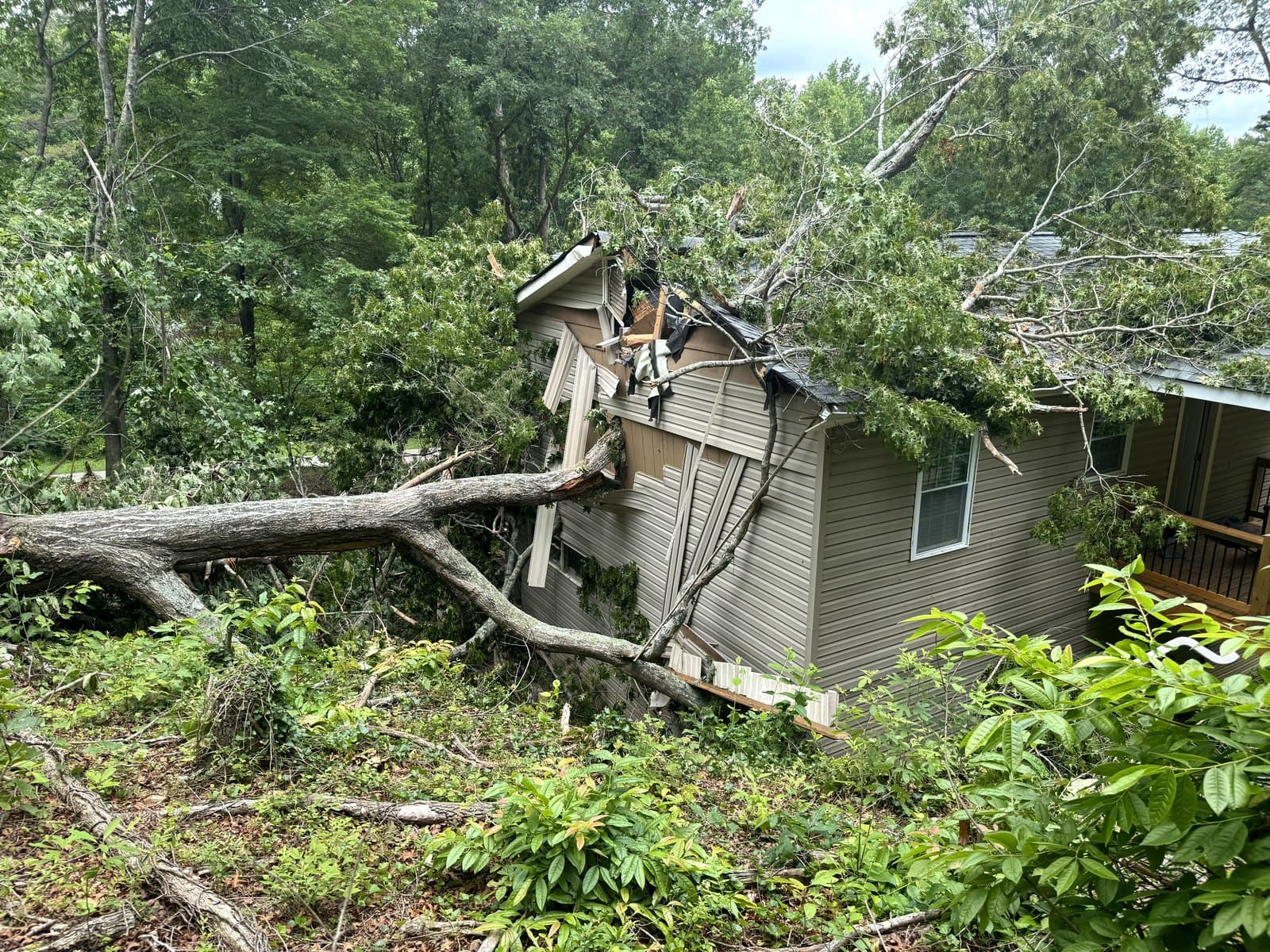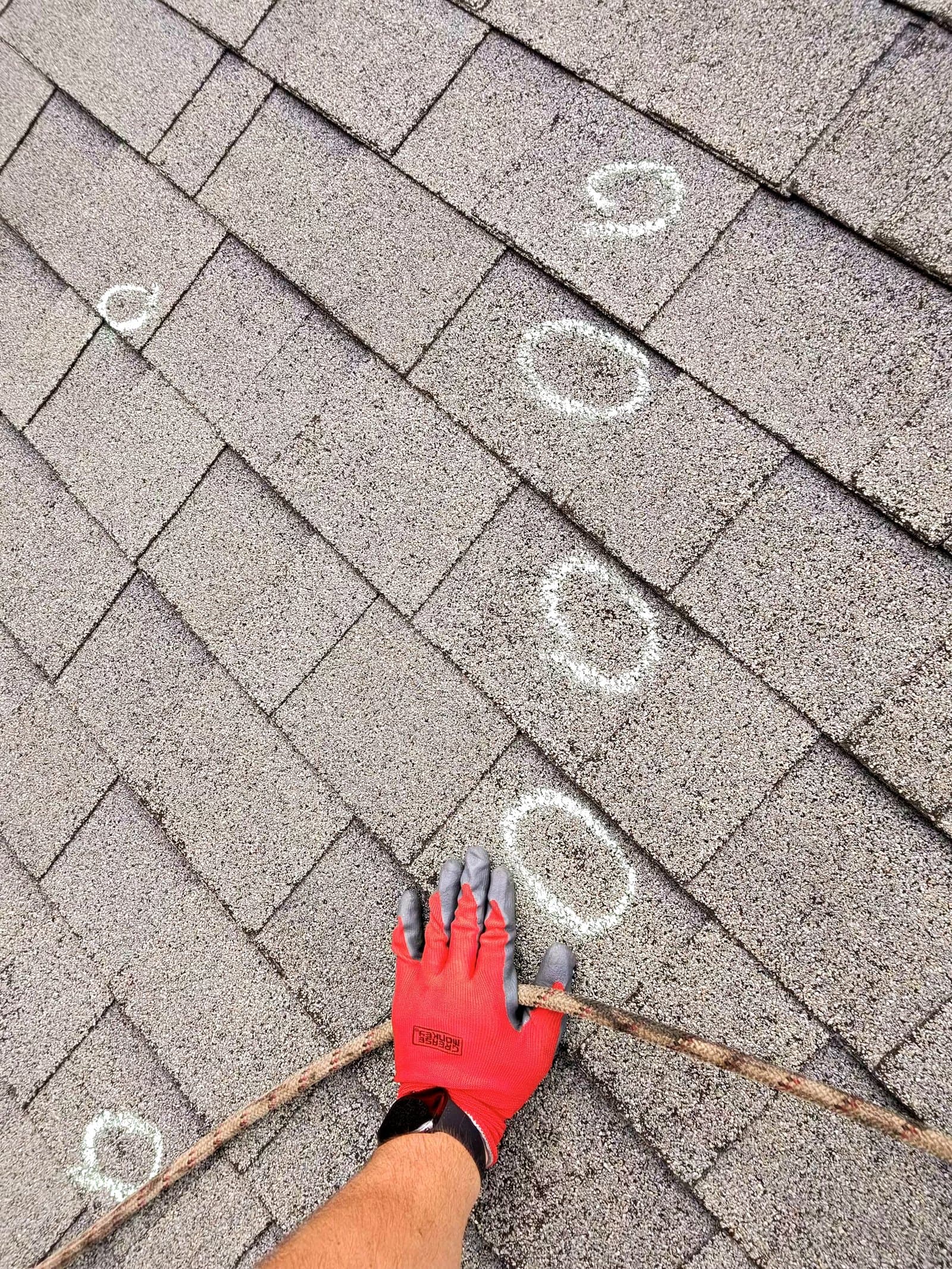
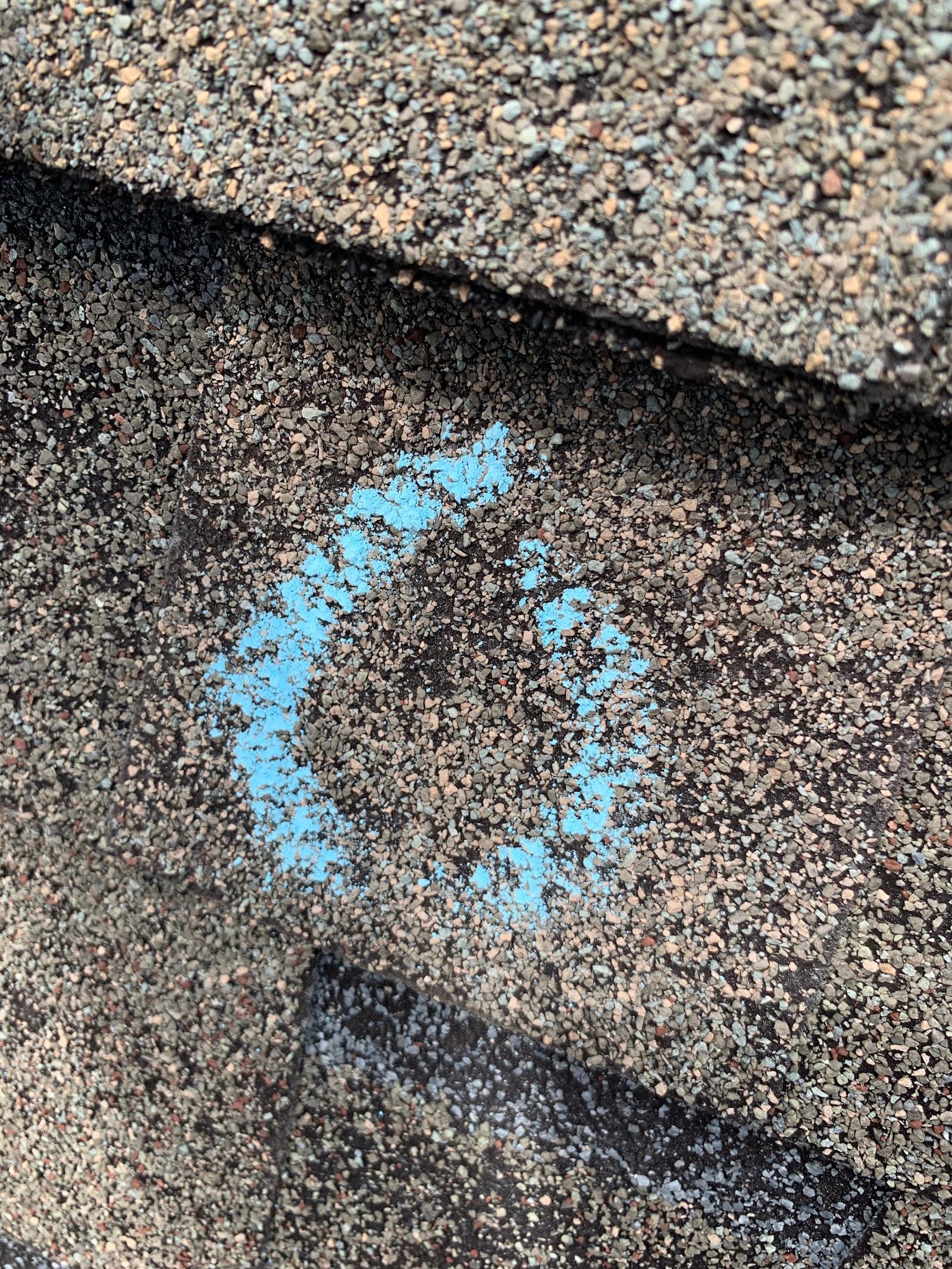
A storm goes through, somebody knocks on your door, and you have no independent way to check whether they are right. You do have a way. It is free, it is public, and most homeowners have never heard of it.
The short version
- There is a free public record of verified hail and wind events. You can check your own address in about ten seconds.
- Verified ground reports are not the same as radar estimates. Most door-knocking is driven by radar, which covers a far bigger area than what actually hit.
- A blank result does not prove your roof is fine, and a report a mile away does not prove it is damaged.
- Your policy sets your filing deadline, not the person at your door. Look it up before you sign anything.
A storm goes through. A few days later somebody knocks on your door and tells you your neighborhood got hit and you should file a claim.
Maybe that is true. Maybe it is not. The frustrating part is that you have no independent way to check, so you are deciding based on the word of a stranger who gets paid if you say yes.
You do have a way to check.
Check your own address right here
The National Weather Service collects and verifies storm reports, hail with a measured size and wind with a measured or damage-assessed speed, and ties each one to a location and a date. It is the same underlying data insurance adjusters work from.
We put it on a map for North Georgia. Type in your address and look. It is free, it does not ask you for anything, and you do not have to leave this page.
It covers 18 counties centred on Gwinnett and Hall, extending roughly 50 miles from Buford, and it goes back two years. Your policy, not Georgia law, sets the deadline for reporting a loss.
What verified actually means, and why it matters
This is the part that separates real information from noise, and almost nobody explains it.
Verified ground reports are storms where a human being measured or observed something and reported it. A trained spotter, a law enforcement officer, a National Weather Service employee, a damage survey.
Radar estimates are a computer's guess at hail size based on what the radar returned. They are useful for forecasting. They are wrong often enough that they should not be what decides whether you file a claim.
Our tracker shows verified events only. Hail at 1.00 inch or larger, wind at 45 mph or greater. No radar-only guesses.
Why this matters to you
A lot of the door-knocking that happens after a storm is driven by radar hail maps, which show a far bigger footprint than what actually reached the ground. That is how an entire subdivision gets canvassed when only a few streets took anything.
The honest limitation, which we would rather tell you ourselves
Here is what this data cannot do, and you should know it before you rely on it.
Verified reports depend on somebody being there to report it. Storms that hit at three in the morning, or over a lightly populated area, or on a street where nobody called it in, may be under-reported or missing entirely.
So a blank result is not proof that nothing happened at your house. It means no verified report was filed near your address. That is genuinely useful. It is not the same as your roof being fine.
The reverse is also true. A verified hail report a mile away does not prove your specific roof was damaged. Hail cores are narrow. One street gets hammered and the next street over gets nothing.
The map tells you whether it is worth looking. Your roof tells you whether there is damage. Anyone who says the map alone proves your claim is overselling it.
How to read what you find
Hail size is the thing to look at first. These are the general patterns roofers see in this market.
- 1.00 inch, about the size of a quarter. The threshold where damage to asphalt shingles becomes plausible.
- 1.25 to 1.50 inch, half dollar to ping pong ball. Damage is common.
- 1.75 inch and up, golf ball. Damage is likely.
- 2.00 inch and up, hen egg to tennis ball. Significant damage is expected.
Those are general patterns, not guarantees. Roof age, slope, shingle type and direction all change the outcome. A ten-year-old roof and a brand-new one respond to the same hail differently.
Wind matters too, and people forget it. Sustained wind above roughly 45 to 50 mph lifts and creases shingles. A creased shingle has a broken seal and a broken mat. It looks fine from the ground and it is not fine.
Then write down the date. A claim attaches to a specific storm date, so if you find a verified event that matches the night you remember hearing something hit the roof, that date is what you give your insurer.
Then go look from the ground
You have got a date. Now spend ten minutes in your own yard. Do not get on the roof. Storm debris is slick, and hail damage is hard to read even for people who do it daily.
- Gutters and downspouts. Look for granules, the coarse black grit that coats shingles. Hail knocks them loose and they wash down. A pile at the bottom of a downspout is one of the clearest signals there is.
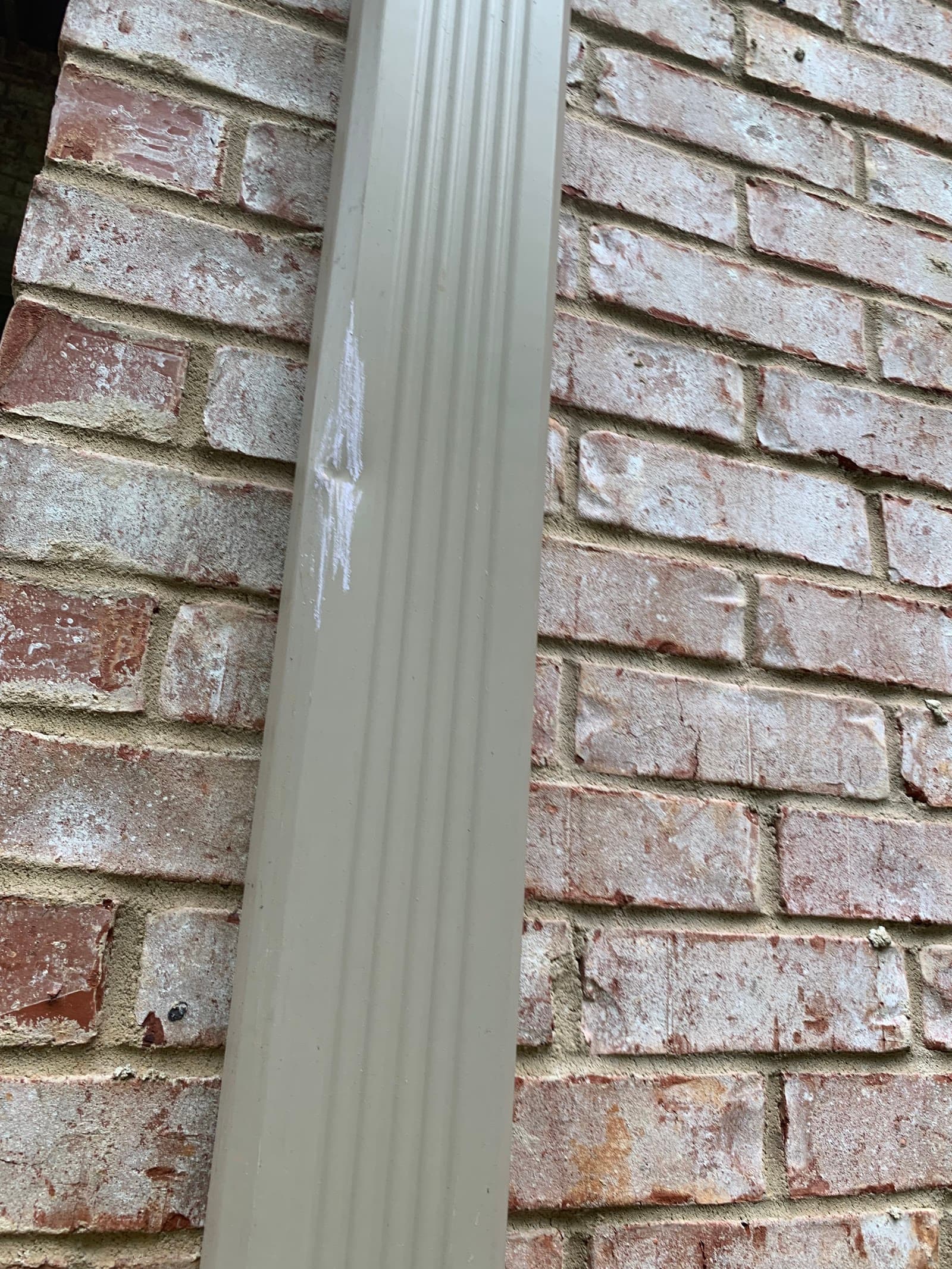
- Soft metals. Gutter aprons, vent caps, flashing, gutter faces and the top of your air conditioning condenser. These dent before shingles show anything. If the soft metals got hit, the roof got hit. This is the best ground-level test there is.
- Your yard. Shingle pieces, ridge cap fragments, torn flashing.
- Window screens and siding on the storm-facing side.
- Your ceilings, over the next few weeks. A roof leak almost never appears the same day. It shows up as a faint brown ring that grows slowly.
The clock on your claim
Your policy sets how long you have to report a storm loss, and most require prompt notice. Check yours - do not take a stranger's word for it.
We say this in almost everything we write, because it is the fact that protects you. When somebody at your door says you have to decide today, they are either misinformed or counting on you being. You have time to look it up, time to get a second opinion, and time to think about it.
One thing that is not slow
Damage gets worse. A creased shingle does not heal, and water finds the opening eventually. Take your time on the decision, not on the inspection.
What happens if you call us
We come out, walk the roof, and photograph everything we find. You keep the photos. Not us, you. Whether you hire us or not, and whether there is damage or not.
If there is nothing up there, we will tell you there is nothing up there. That happens regularly and we are fine saying it. We would rather be the company you call in five years than the company that sold you something you did not need today.
One customer summed up the version of this we are proud of: our inspector caught what others had missed. That works both directions. Sometimes catching it means telling you there is nothing to catch.
If there is damage, we will walk you through what a claim looks like, and we will be on site when the adjuster comes out so you are not having that conversation by yourself.
Free, no obligation, and we will call you back to set a time. If water is coming in right now, call us instead — storm and home emergencies are answered around the clock.
This is general information, not insurance advice. Coverage depends on your policy. Read yours and confirm the specifics with your insurer or agent.
Bailey Roofing & Restoration offers free, no-pressure inspections across Buford and North Georgia — with photo documentation you can keep whether or not you file a claim.
Want a straight answer about your roof?
Book a free, no-pressure inspection. You get photos and an honest assessment — whether or not you do anything about it today.
Frequently asked
Is the storm tracker free to use?
Yes. No signup and no email required. Type in an address and look at what is there.
Where does the storm data come from?
Verified National Weather Service storm reports, meaning hail and wind events that were measured or observed and reported by a person rather than estimated by radar.
My address shows nothing. Does that mean my roof is fine?
Probably, but not definitely. It means no verified report was filed near you, and under-reporting is real, especially for overnight storms in less populated areas. If you are seeing granules in the gutters or dents in soft metals, get it looked at regardless of what the map shows.
There is a hail report a mile from me. Does that mean my roof is damaged?
Not on its own. Hail cores are narrow, and one street can take significant hail while the next street over takes none. It means it is worth having someone look.
How big does hail have to be to damage a roof?
Damage generally becomes plausible around 1.00 inch and gets more likely as size increases, but roof age, shingle type and slope all matter. A worn roof can be damaged by hail that a newer roof shrugs off.
How far back does the storm history go?
Two years of NOAA records - long enough to cover the period most policies care about.
Which counties does it cover?
18 North Georgia counties, centred on Gwinnett and Hall and extending roughly 50 miles from Buford.
If I find damage, do I have to file a claim?
No. Knowing is not the same as filing. Plenty of homeowners get an inspection, find out where they stand, and decide to wait.