When water gets in, life stops.
We put it back together.
Water damage, mold, fire, or a full interior rebuild — one local team handles the dry-out, the insurance, and the reconstruction. From the emergency call to the final walkthrough.
First, the water you can't see.
A slow leak, a burst pipe, or a roof failure lets water spread behind walls and under floors — often doing real damage before a single stain shows up.
Water intrusionWithin days, mold moves in.
Trapped moisture becomes mold in as little as 48 hours — in the drywall, the insulation, and the air your family breathes. The longer it sits, the bigger it gets.
Mold growthThen the structure is at risk.
Wet framing and subfloor lose strength, warp, and rot. What started as a small leak becomes a reconstruction — unless it's caught and dried out in time.
Structural damageThe damage you can see is rarely the whole story
Water and moisture spread far beyond where they start. Here's what we look for during a free damage assessment — and why catching it early saves your home.
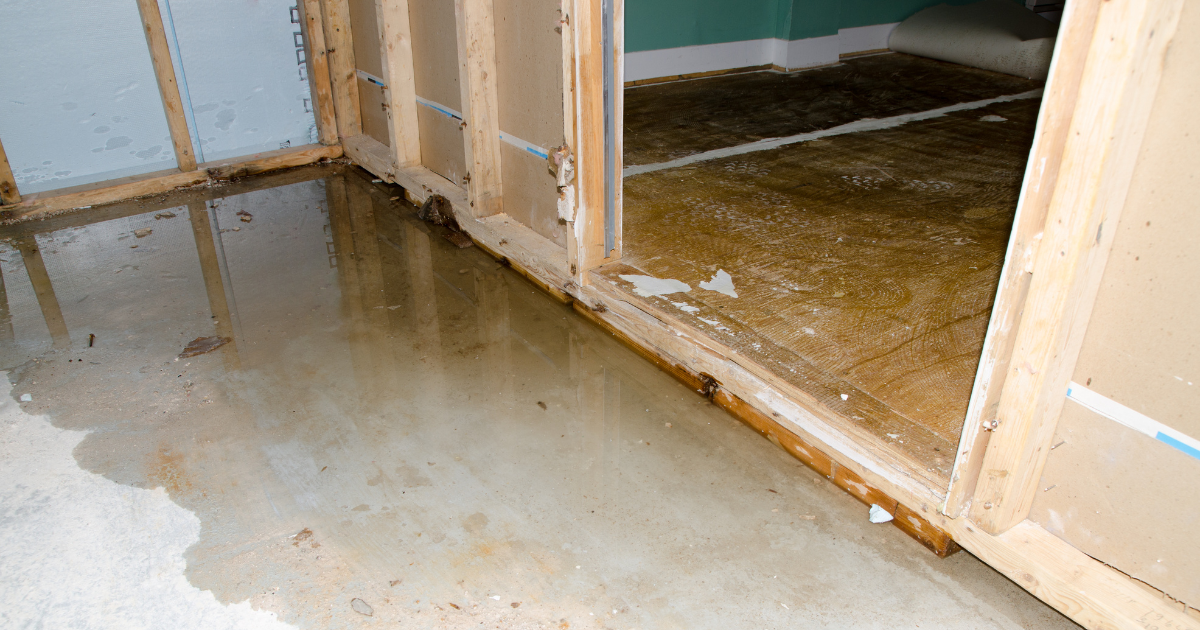
Water & moisture intrusion
Leaks, burst pipes, and roof failures let water travel behind walls and under floors — often causing damage before it's ever visible.
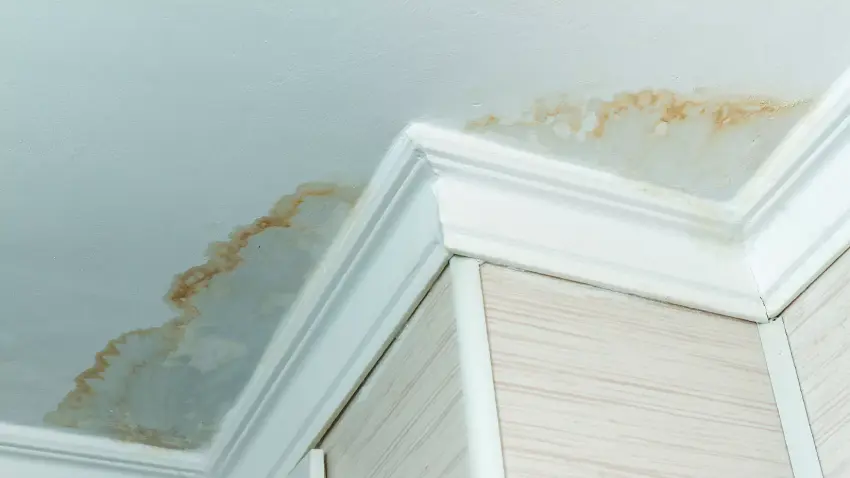
Ceiling & drywall damage
Sagging ceilings, brown staining, and crumbling drywall are common signs of ongoing moisture or structural impact above.
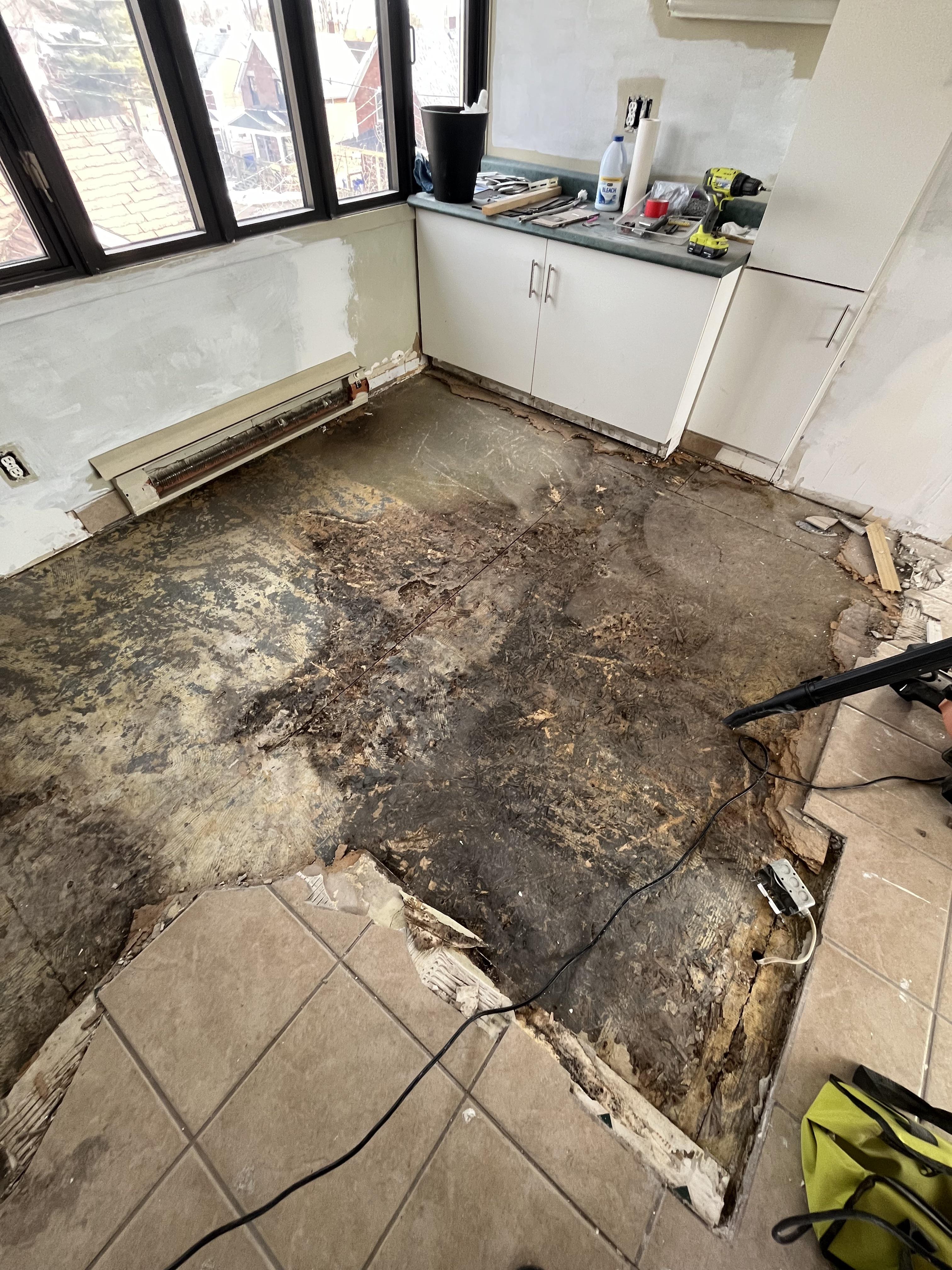
Flooring & subfloor damage
Water soaks into hardwood, carpet, and subfloor, leading to warping, mold, and long-term instability underfoot.
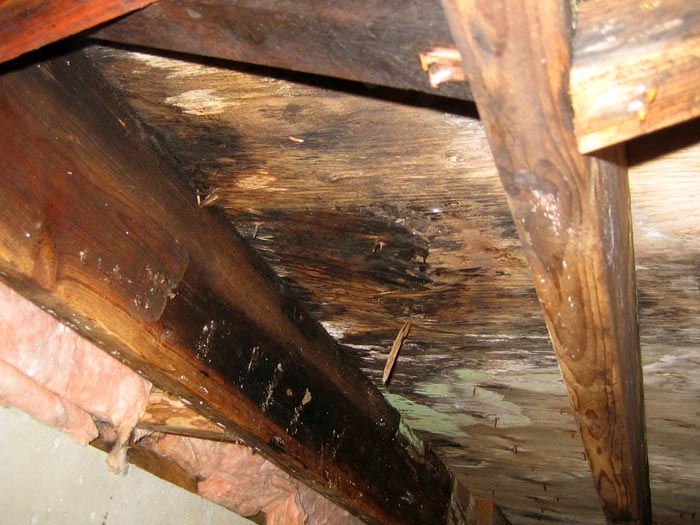
Structural wood damage
Wet framing and decking lose strength and must be properly dried or replaced before anything is rebuilt on top of them.
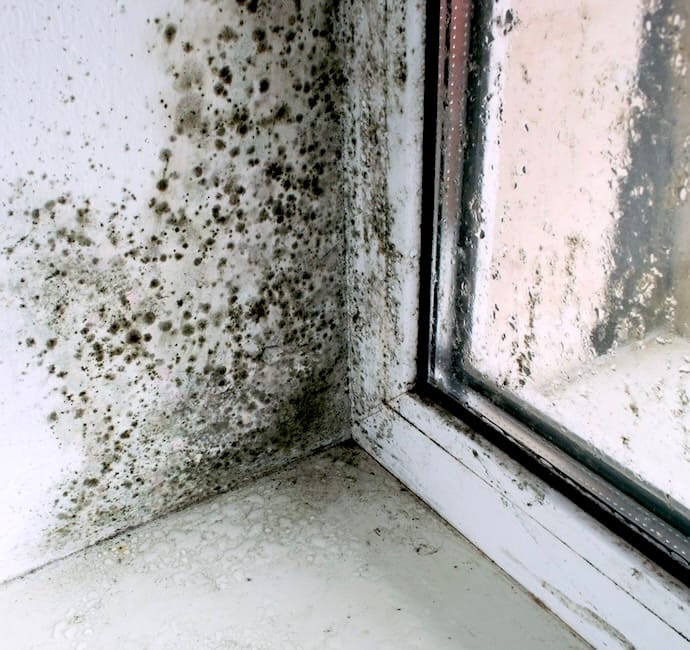
Mold & microbial growth
Moist environments grow mold fast, hurting indoor air quality and requiring safe, professional remediation — not a bottle of bleach.
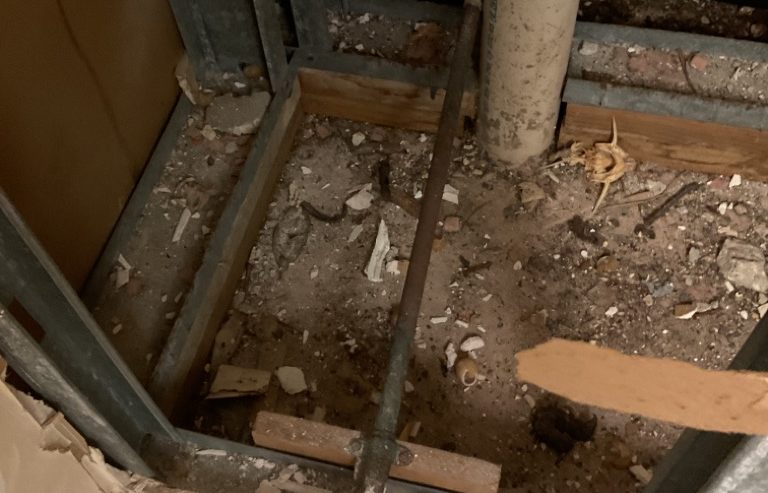
Hidden secondary damage
Damage spreads past the original source — into insulation, wiring, and adjacent rooms. Finding all of it is the difference between fixed and half-fixed.
From the emergency call to the final walkthrough
Restoration and reconstruction under one roof — so you're never coordinating a plumber, a mold crew, a framer, and a painter on your own.
Assess & dry out
We find every wet spot with moisture meters, then remove standing water and dry the structure to stop mold before it starts.
Document & explain
We photograph everything and walk you through it in plain language — what's damaged, what's salvageable, and what comes next.
Insurance handled
We work directly with your adjuster, provide the documentation, and manage the claim so you're not fighting it alone.
Rebuild & restore
Drywall, flooring, trim, paint, and finishes — we reconstruct it better than before and finish with a final walkthrough.
Not sure how bad it is? We'll assess it for free and tell you straight.
“They dried it out, handled the insurance, and rebuilt everything. We came home to a house that felt new again.”
One local team for water damage, mold, fire, and full reconstruction across North Georgia. Where peace of mind is golden.
The sooner you call, the less you lose
Active leak or flooding right now?
Every hour water sits, it spreads further and mold gets closer. Call us now — we'll walk you through what to do immediately and get a crew moving fast.
Call (770) 381-8081 now →Not an emergency — just worried?
Stains, musty smells, or old water damage you want checked? Book a free, no-pressure damage assessment and we'll tell you exactly where you stand.
Book a free assessment →See restorations we've completed near you
From water damage rebuilds to full home reconstruction after storms — see the before, the process, and the finished result.
Restoration & reconstruction, without the confusion
What types of damage do you handle?+
Water damage, storm damage, roof-related leaks, fire, mold, and full interior restoration and reconstruction — including drywall, flooring, trim, paint, structural repairs, and complete rebuilds when needed.
Do I need to call my insurance company first?+
No. Start with an inspection. We'll assess the damage, explain what's going on, and help you decide whether filing a claim makes sense before anything is submitted — so you don't file a claim you didn't need.
Will you work directly with my insurance company?+
Yes. We regularly work with adjusters, provide the documentation, and help manage the process so you're not left navigating insurance and repairs alone.
Can you handle both the repairs and the full rebuild?+
Yes. We manage the entire process — from emergency mitigation and restoration through full reconstruction — so you don't have to coordinate multiple contractors.
How fast do I need to act on water damage?+
Fast. Mold can begin within 24–48 hours, and wet materials keep degrading the longer they sit. The sooner we dry it out, the more of your home we can save — and the smaller the project stays.
How long does the process take?+
It depends on the damage and insurance approval. Smaller projects move quickly; larger reconstruction takes more time. We set clear expectations up front and keep you informed the whole way through.
Your assessment is free. Your peace of mind is golden.
Got water, mold, or damage? Book in 60 seconds — or call now and talk to a real local restorer.